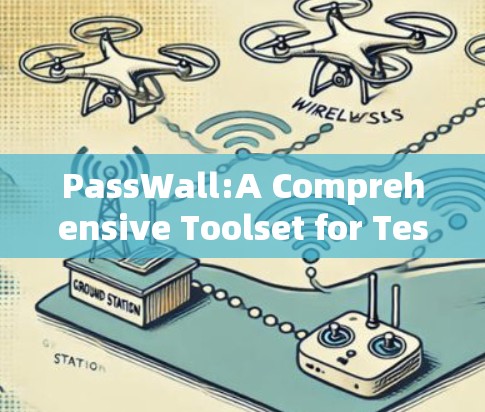

PassWall is a suite of tools designed to test and validate passcodes in various systems, ensuring secure and reliable access control. Here's an organized overview of how it works and its applications:
-
Purpose and Functionality:
PassWall is used to test passcodes in contexts such as user access, file permissions, and storage access. It helps verify that access controls are functioning correctly without introducing security risks.
-
Tools and Versions:
- PassWall-1: The core tool for basic passcode testing.
- PassWall-2 and PassWall-3: Variations offering additional features or enhanced capabilities.
-
Command Language:
- Users interact with PassWall through command-line tools, typically in a server environment, to test passcodes.
- Commands include
test_passcode,test_passcode_flag, andtest_passcode_flag2, with parameters such askey_stringandpassword_typeto specify test scenarios.
-
Passcode Types:
Passcodes can be keys or passwords, with passcodes often used for token access. They may not match the actual password due to secure storage methods.
-
Error Handling and Debugging:
Tools provide mechanisms to report issues, aiding in troubleshooting and understanding passcode failures.
-
Security Considerations:
Passcodes must be strong and correctly formatted to prevent unauthorized access. Tools help validate passcodes before deployment.
-
User Interaction:
Developers or security analysts use PassWall to test users, ensuring their systems meet access control requirements.
-
Configuration:
Configuration typically involves setting up access control rules and passcode types, with tools often working in conjunction with other security measures.
In summary, PassWall is a vital tool for ensuring secure system access by testing and validating passcodes, helping maintain system integrity and user security.